
Close
Reliable power. Useful heat. Maximum efficiency.
Generate electricity and recover usable thermal energy from a single fuel source, designed around your operational demand.
Combined Heat and Power systems are designed to do the opposite, capturing and utilising heat that would otherwise be lost.
The result is a highly efficient, on-site energy solution that reduces operating costs, improves reliability, and supports continuous operations.
Produce dependable power at the point of use, reducing reliance on grid instability and external interruptions.
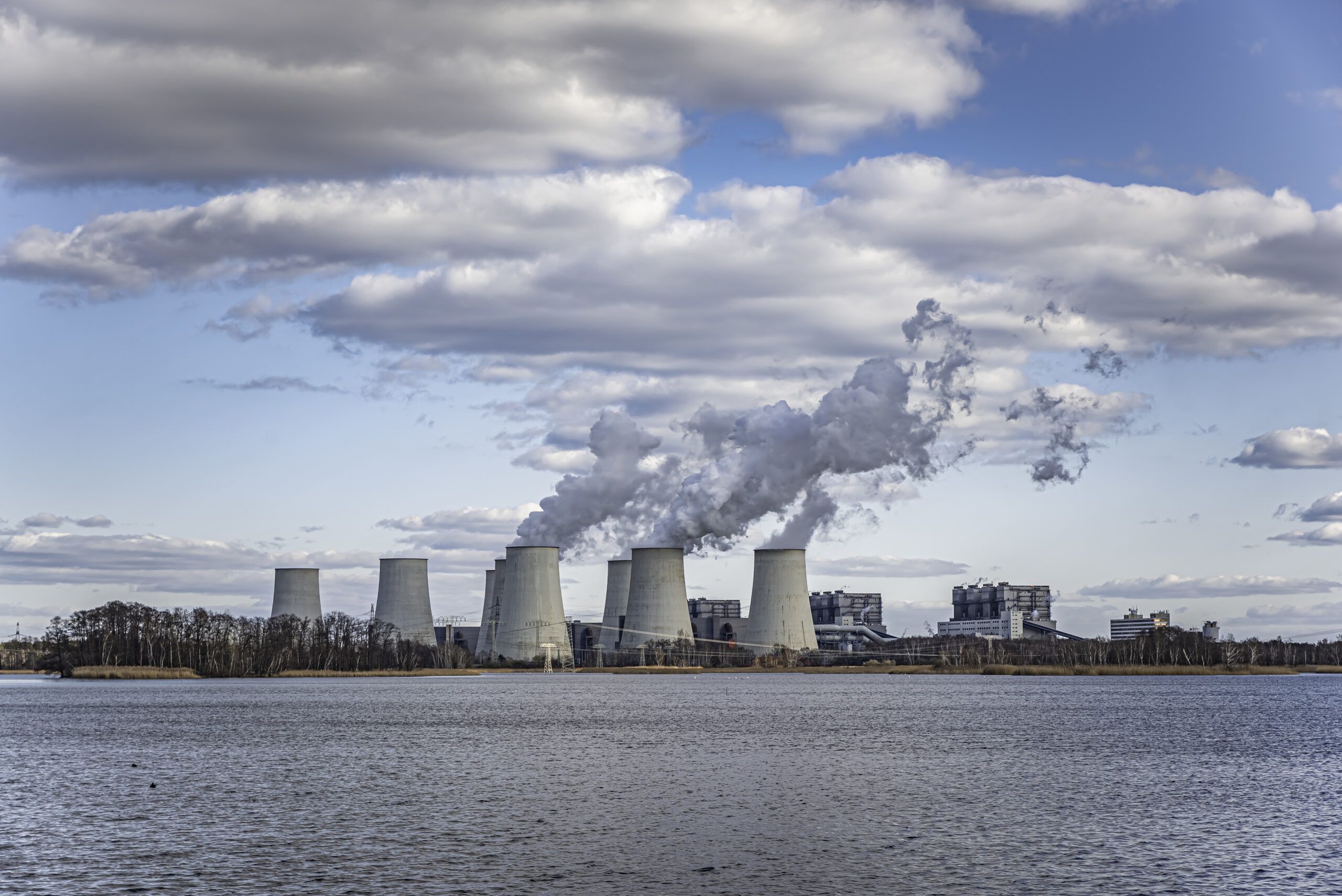
Use captured heat for hot water, steam, process support, or space heating instead of letting it go to waste.

Improve energy economics by producing useful electrical and thermal outputs from a single system.
By using both electricity and heat outputs, CHP systems achieve far greater overall efficiency than traditional generation methods.

Designed for ongoing operation, CHP becomes part of your working energy infrastructure rather than a once-in-a-while backup system.
CHP systems generate electricity for immediate use while simultaneously capturing heat for practical applications such as hot water, steam, or space heating.
In tri-generation systems, this thermal energy can also be converted into cooling through absorption systems, enabling a single solution to meet electrical, heating, and cooling demands.
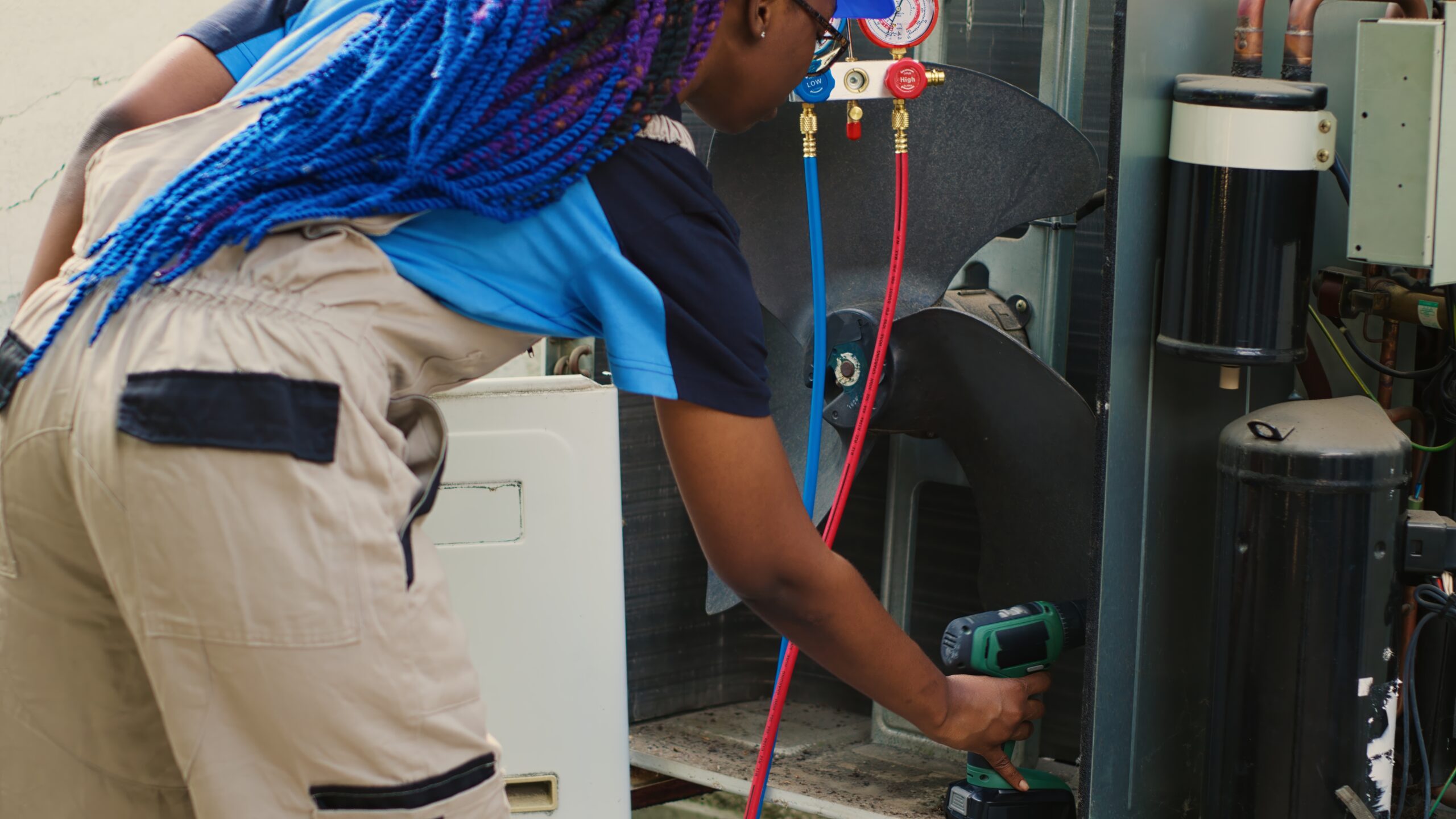
CHP systems are most effective in facilities where both electrical and thermal outputs can be consistently utilised.
A gas engine drives a generator to produce electricity for on-site use.
Heat generated during the process is recovered rather than being lost into the environment.
The recovered thermal energy is repurposed for real operational use, improving total system efficiency and energy utilisation.
CHP systems form part of a broader, integrated energy strategy. They can be combined with:
This enables hybrid energy systems that optimise cost, efficiency, and reliability across your entire operation.
Unlike standby generators, CHP systems are designed for continuous operation. They deliver both energy security and efficiency, positioning them as a long term infrastructure solution rather than a backup system.

Let’s design a CHP solution aligned to your operation.