
Close
Comparing backup power options through the lens of long term cost, operational stability, and future ready energy strategy.
South Africa’s energy crisis has fundamentally changed how businesses and households approach electricity. With ongoing load shedding, unreliable grid supply, and rising tariffs, alternative power solutions are no longer optional — they are essential.
For many years, diesel generators were the go to backup solution. Today, however, solar photovoltaic systems are rapidly becoming the preferred alternative.
Which solution makes the most financial and operational sense in the long term?
Diesel generators have long been used across South Africa due to their reliability and ability to provide instant power during outages.
Immediate power availability, lower upfront cost than solar, simple installation, and suitability for short term backup.
High fuel costs, ongoing maintenance, noise, emissions, fuel supply risk, and poor long term scalability.
In today’s environment, diesel is no longer a cheap solution — it is a continuously escalating expense.

Solar PV systems convert sunlight into electricity and are often paired with battery storage to provide power even when the sun is not shining.
Lower long term costs, reduced grid dependence, cleaner energy, low maintenance, and scalable future proof design.
Higher upfront investment, the need for proper system design, and sunlight dependency unless batteries are included.
Once installed, solar systems dramatically reduce operational costs — making them a strategic long term investment rather than just another expense.
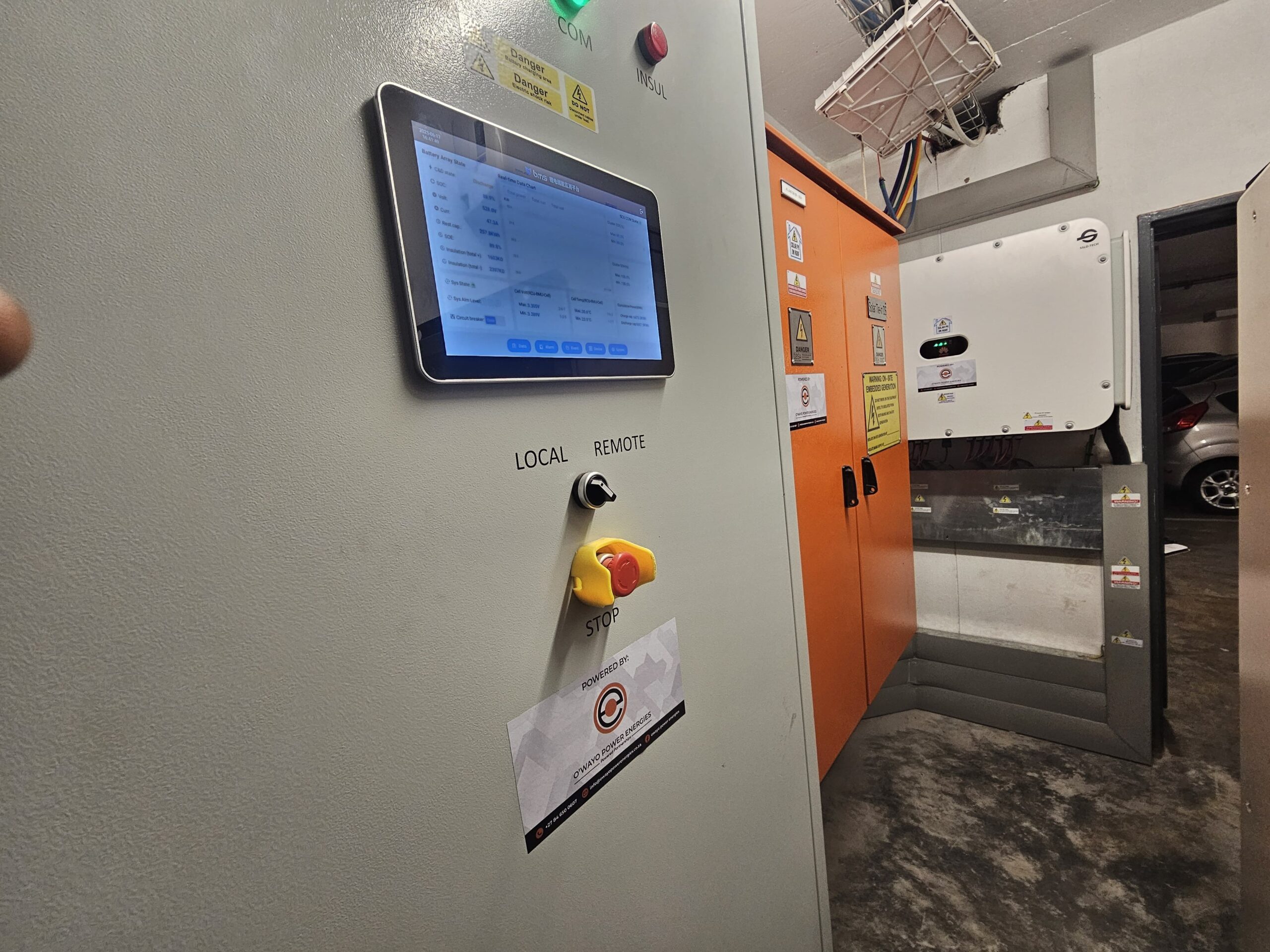
The biggest difference between diesel and solar is not simply how they generate power — it is how their cost behaves over time.
Fuel, maintenance, servicing, replacement parts, logistics, and fuel storage all continue to add pressure month after month.
Installation is the major once off investment, followed by minimal maintenance and optional future battery upgrades.
Diesel becomes more expensive the more you use it. Solar becomes more valuable the longer you use it.
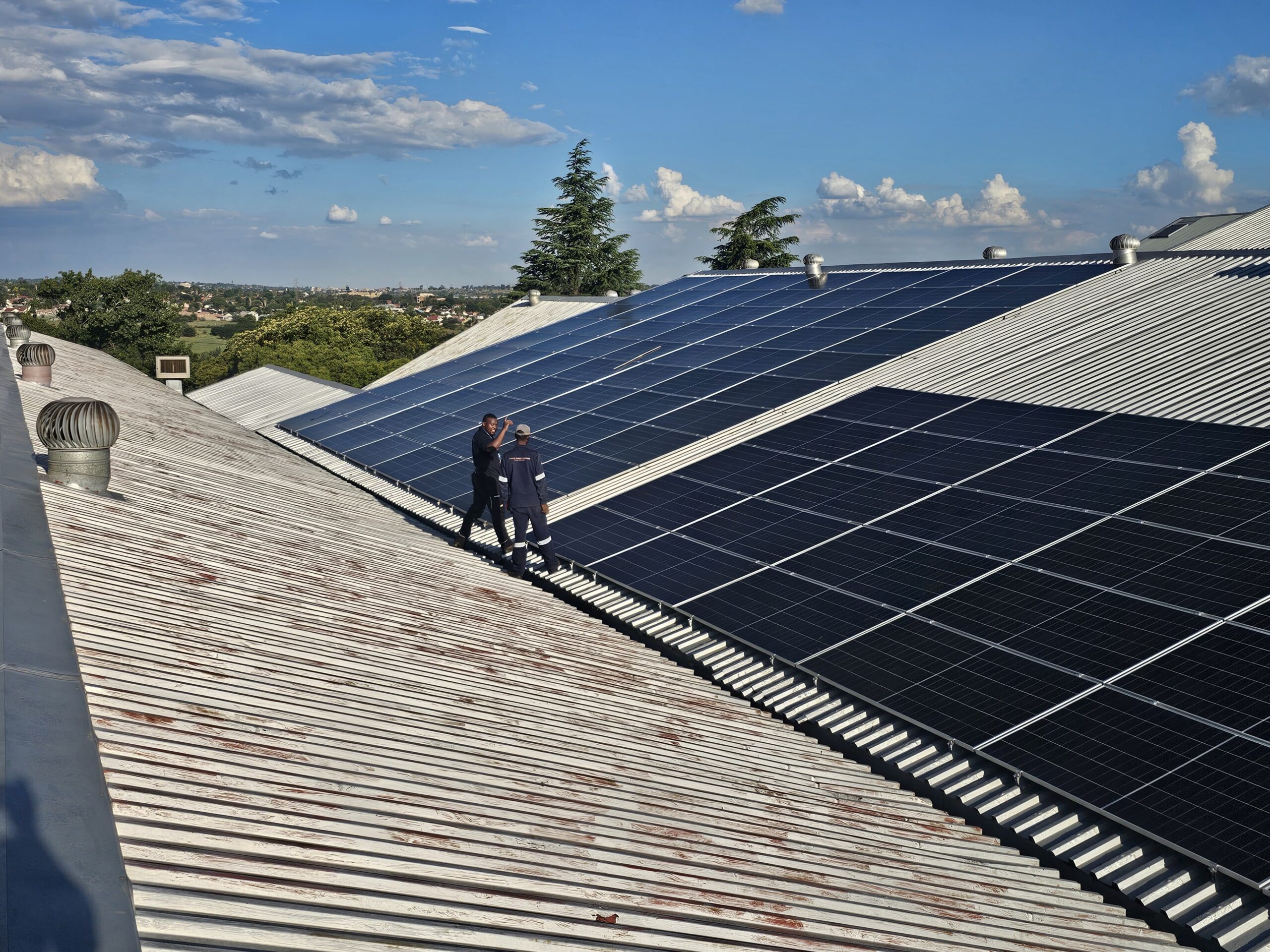
For commercial and industrial operations, energy is not just about keeping the lights on — it directly affects uptime, planning, productivity, and long term profitability.
Unpredictable running costs, fuel dependency, higher manual management needs, and operational disruption when supply runs short.
Predictable energy costs, improved operational stability, reduced downtime, and stronger ESG and sustainability positioning.
Businesses are increasingly moving toward solar because it offers control, stability, and long term savings in a market where energy risk can no longer be ignored.
In many applications, the optimal solution is not choosing one technology over the other — but combining them intelligently.
Solar powers operations during the day, batteries store excess power, and diesel is only used as a last resort.
This reduces diesel consumption dramatically while improving resilience and lowering long term energy costs.

Diesel generators contribute significantly to carbon emissions, air pollution, and noise pollution. Solar PV, on the other hand, supports sustainability goals, reduces carbon footprint, and aligns with global energy transition trends.
Higher emissions, more pollution, more noise, and increased exposure to long term fuel volatility.
Cleaner generation, lower environmental impact, stronger ESG positioning, and better alignment with modern energy strategy.
South Africa is rapidly moving toward a decentralised energy model, where businesses generate more of their own power rather than relying solely on the grid. Solar PV is at the centre of this shift.
Diesel generators are still useful for emergency backup and short term solutions.
Solar PV systems are the better choice for long term cost savings, improved stability, and sustainable operations.
Hybrid systems often offer the most balanced and reliable solution by combining resilience with smarter long term economics.